



News Center
News Center

What are the common home medical devices?
Daily care appliances include: belt, knee, band-aid, emergency kit, cervical traction device, sports protective equipment, etc.
2024/07/11
Urinary System and Its Common Medical Devices
The urinary system consists of 1 pair of kidneys, 2 ureters, 1 bladder and 1 urethra. It is an important excretion pathway for human metabolites. It can regulate water and salt metabolism and acid-base balance, and produce a variety of biologically active substances, which plays an important role in maintaining the stability of the body's internal environment; urine produced by the kidney flows into the ureter The bladder is temporarily stored, and when the urine reaches a certain amount, it is excreted through the urethra. In other words, the urinary system is a general term for making urine, transferring urine, storing urine and urinating organs.
2024/07/11

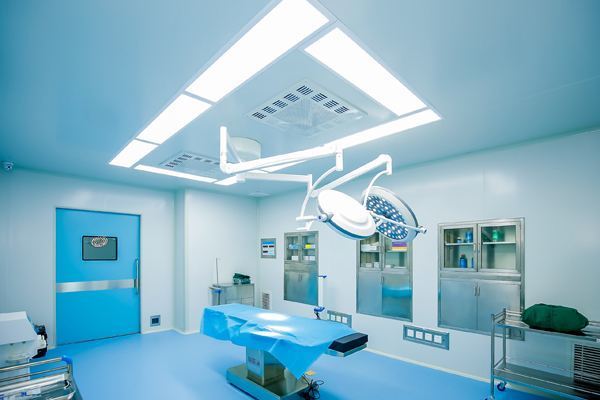
Anesthesia work includes preparation and treatment before and after anesthesia, monitoring and treatment of critically ill patients, emergency resuscitation, pain treatment and so on. The scope of work extends from the operating room to the ward, outpatient, emergency room and other places, from clinical medicine to teaching and scientific research.
2024/07/11
Related classification of respiratory medical devices and their use
Oxygen is an important substance to maintain the normal progress of human life, and the most basic way for the human body to obtain oxygen is breathing. Breathing is the process of continuously inhaling oxygen from the air into the body and expelling carbon dioxide from the body. Breathing is divided into external respiration and internal respiration. External respiration is the process of oxygen in the gas entering the human body and combining with the blood. Internal respiration is the process of gas exchange between blood and tissue cells in capillaries. Gas to enter the human body for gas exchange, must be achieved through the human body's respiratory system, and the respiratory tract is an important channel for gas in and out of the human body in the respiratory system. The entire respiratory tract consists of nasal cavity, pharynx, larynx, trachea, bronchi and terminal bronchioles. It is divided into two parts: upper respiratory tract and lower respiratory tract. The upper part of the larynx is called upper respiratory tract, and the lower part of the larynx is called lower respiratory tract. Gas can only be conducted in the respiratory tract without gas exchange.
2024/07/11
![[Depth] Tracheal intubation tube is an important medical device for rescuing patients. Global market continues to grow](https://omo-oss-image.thefastimg.com/portal-saas/pg2024053118374285425/cms/image/a078a9fd-62cd-43d9-be38-a387bd921270.webp "[Depth] Tracheal intubation tube is an important medical device for rescuing patients. Global market continues to grow")
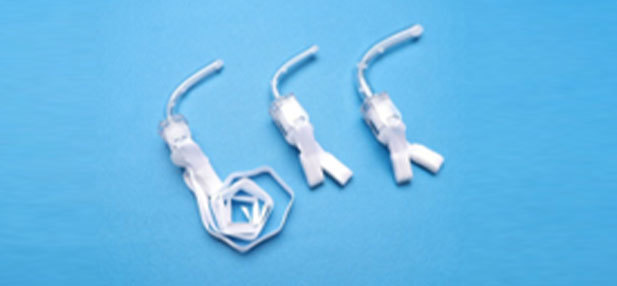
Tracheal intubation is a medical technology that puts a special catheter into the trachea or bronchus through the glottis, which can keep the patient's respiratory tract unobstructed and provide a channel for the patient's ventilation and oxygen supply and respiratory tract suction. The tube used in endotracheal intubation is called endotracheal intubation tube or endotracheal tube, which is the second type of medical device.
2024/07/11
Why has disposable infusion set become the most problematic medical device?
On December 24, 2019, Huizhikang (83235.OC), a new three-board listed company, clarified the "infusion set foreign body" incident.
2020/08/13

Some national laws and regulations on disposable medical devices
Shijiazhuang, May 16, Xinhua (reporter Li Junyi, Rao Yajie) Article 27 of the regulations on the supervision and administration of medical devices (Order No. 276 of the State Council of the People's Republic of China), which came into effect on April 1, 2000, stipulates that medical institutions shall not reuse medical devices for one-time use; if they have been used, they shall be destroyed in accordance with the relevant provisions of the state and recorded.
2020/08/13
People's Daily Online, Beijing, April 19 (Xing Zheng) The reporter learned from the State Drug Administration that the State Drug Administration recently issued a notice on the release of the results of the national medical device supervision and sampling inspection (No. 1) (No. 11 of 2018).
2020/08/13



Hotline:+860793-3278887
Website:www.Jxbaokang.cn
Chinese website:Baokang Medical. Website
Address: 188 Fenghuang Middle Road, Chengxi Industrial Park, Yuting Town, Yugan County, Shangrao City, Jiangxi Province
WeChat Public Number

Copyright©2024 JIANGXI BAOKANG MEDICAL EQUIPMENT CO., LTD
Technical Support:China Enterprise Power-Nanchang